

Frequently Asked Questions
What is the braces journey?
The braces journey typically involves an initial consultation, custom treatment plan creation, regular adjustments, and wearing retainers post-treatment. Patients may experience discomfort, dietary restrictions, and oral hygiene challenges but ultimately achieve a straighter smile and improved oral health.
Who found out about braces?
Braces were discovered by Pierre Fauchard, known as the "Father of Dentistry," in the 18th century. He developed the concept of using dental braces to correct teeth alignment issues.
Are braces considered an orthodontic appliance?
Yes, braces are considered an orthodontic appliance. They are used to align and straighten teeth, improving dental health and aesthetics. Braces can be traditional metal braces or clear aligners like Invisalign, both of which are common orthodontic treatments.
Are final models needed for orthodontic treatment?
Final models are typically required for orthodontic treatment planning. These models provide detailed information about the patient's teeth alignment, bite, and overall oral structure. Orthodontists use these models to create customized treatment plans and monitor progress accurately throughout the treatment process.
Are anti-tooth grinding devices orthodontic?
Anti-tooth grinding devices, such as night guards, are not typically considered orthodontic treatments. They are primarily used to protect teeth from grinding or clenching during sleep, preventing damage. Orthodontic treatments focus on correcting the alignment of teeth and jaws, which is different from the purpose of anti-tooth grinding devices.
Are clear orthodontic elastics stronger than regular rubber bands?
Clear orthodontic elastics are typically not stronger than regular rubber bands. They are designed to be more discreet but may have similar strength levels for orthodontic purposes. It's essential to follow your orthodontist's recommendations for the best results.
What defines an orthodontic appliance?
An orthodontic appliance is a device used to correct teeth alignment issues. It includes braces, clear aligners like Invisalign, retainers, and other specialized tools. These appliances work by applying gentle pressure to move teeth into proper position over time.
How do braces correct bite issues?
Braces correct bite issues by applying gentle pressure to move teeth into proper alignment. This process helps align the jaws, improve bite function, and create a more balanced smile over time. Regular adjustments ensure gradual and effective correction of misalignments.
What orthodontic options are available today?
Today, orthodontic options include traditional metal braces and clear aligner treatments like Invisalign for both teens and adults. Patients can choose based on personal preferences and needs. Other services may include pediatric dentistry, retainers, and orthodontic emergencies.
How long does typical brace treatment last?
The typical brace treatment duration varies but usually lasts between 18 to 24 months, depending on individual needs and the complexity of the case. Regular adjustments and proper care are essential for successful outcomes.
Do orthodontists recommend tooth extractions often?
Orthodontists may recommend tooth extractions in cases of severe crowding or to create space for proper alignment. However, extractions are not always necessary and depend on individual treatment needs. It's best to consult with an orthodontist for personalized recommendations.
Can orthodontic work prevent future dental issues?
Orthodontic work can prevent future dental issues by correcting misalignments that can lead to issues like tooth decay, gum disease, and jaw pain. Properly aligned teeth are easier to clean, reducing the risk of oral health problems in the future. Regular orthodontic check-ups can also help detect and address potential issues early on.
What innovations exist in orthodontics currently?
Innovations in orthodontics include Invisalign clear aligners, digital scanning technology for impressions, accelerated orthodontics techniques like Propel, and custom 3D-printed braces. Virtual consultations and remote monitoring apps are also becoming more common in orthodontic practices.
Are orthodontic retainers always necessary post-braces?
Orthodontic retainers are typically necessary post-braces to maintain the teeth's alignment. Retainers help prevent teeth from shifting back to their original positions. Compliance with wearing retainers as directed by the orthodontist is crucial for long-term results.
How often should orthodontic evaluations occur?
Orthodontic evaluations should occur every 6 to 12 months to monitor progress, address any issues, and adjust treatment as needed. Regular visits help ensure the effectiveness and success of orthodontic treatment.
What care do braces require daily?
Braces require daily care, including brushing after meals, flossing, using a fluoride mouthwash, and avoiding certain foods. Regular orthodontic appointments for adjustments and check-ups are essential for proper maintenance. Compliance with wearing rubber bands or other prescribed appliances is crucial for effective treatment.
Are there age limits for orthodontics?
Orthodontic treatment is not limited by age. Both teens and adults can benefit from braces or Invisalign. It's never too late to achieve a straighter smile and improved oral health through orthodontic care. Consult with an orthodontist to determine the best treatment plan for your individual needs.
Can orthodontics help with jaw alignment?
Orthodontics can help with jaw alignment by correcting misalignments through braces or aligners. In some cases, additional treatments like jaw surgery may be needed for severe issues. It's essential to consult with an orthodontist to determine the best course of action for jaw alignment concerns.
Do braces come in different materials?
Yes, braces come in different materials, including traditional metal, ceramic, and clear aligners like Invisalign. Each material offers unique benefits and aesthetics to suit individual preferences and treatment needs.
How do clear aligners differ from braces?
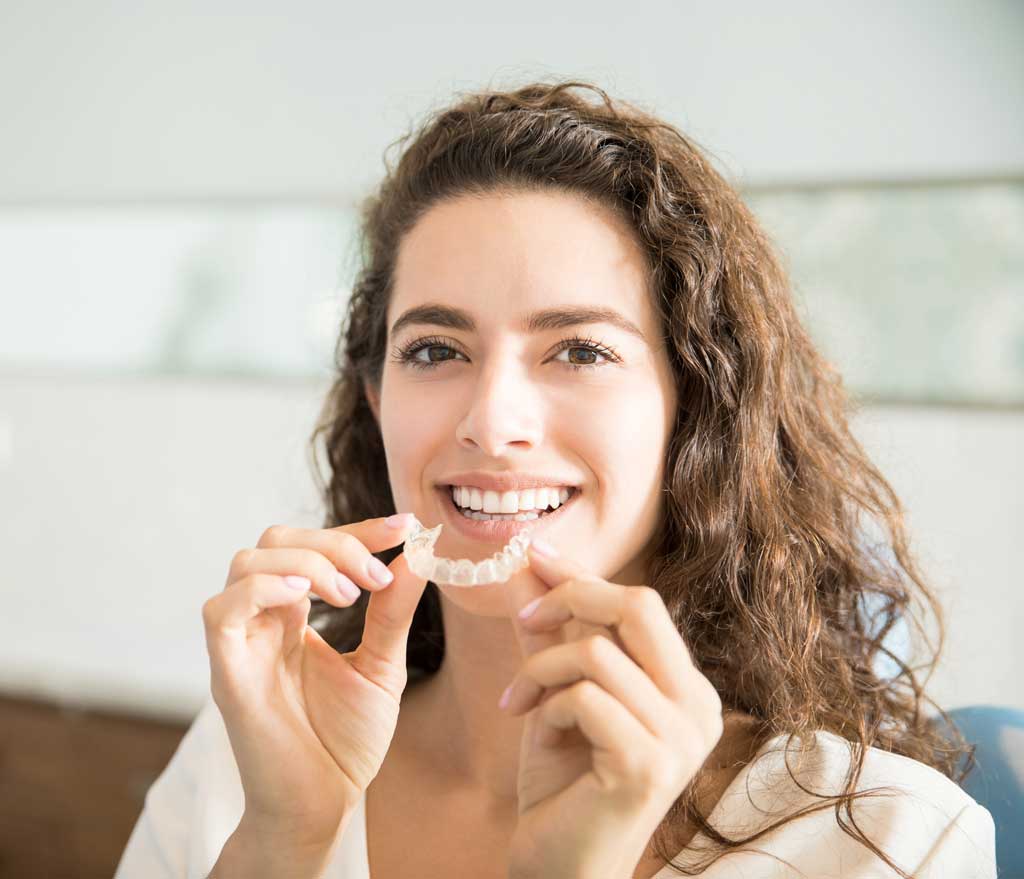
Clear aligners, like Invisalign, are removable, nearly invisible, and more comfortable than traditional braces. They offer greater flexibility in eating and oral hygiene but may require more discipline for consistent wear. Braces are fixed, visible, and may be more effective for complex orthodontic issues.
What are common misconceptions about braces?
Common misconceptions about braces include: they are only for teenagers, they are extremely painful, they are purely cosmetic, and they are only for correcting crooked teeth. Braces can benefit individuals of all ages, provide various oral health benefits, and address a range of orthodontic issues beyond just aesthetics.
Do braces impact speech or eating?
Braces may initially affect speech and eating, causing minor adjustments. Speech may sound different temporarily, but most people adapt quickly. Eating hard or sticky foods may require caution to prevent damage to the braces. Regular adjustments and proper care help minimize these impacts.
When should children first see an orthodontist?
Children should have their first orthodontic evaluation by age 7, as recommended by the American Association of Orthodontists. Early detection of orthodontic issues allows for timely intervention and better treatment outcomes. Regular dental check-ups can help monitor development and determine the right time for orthodontic treatment.
How do orthodontic treatments handle overcrowded teeth?
Orthodontic treatments for overcrowded teeth typically involve using braces or clear aligners to gradually shift the teeth into proper alignment. This process helps create space and align the teeth properly, improving both the appearance and function of the smile. In severe cases, extractions or other orthodontic interventions may be necessary to address overcrowding effectively. Regular monitoring and adjustments by an orthodontist are essential for successful treatment outcomes.
Can orthodontic issues be hereditary?
Orthodontic issues can be hereditary, as genetics play a role in jaw structure and tooth alignment. Family history can influence the likelihood of needing orthodontic treatment for issues like overcrowding, overbites, or underbites. Regular dental check-ups can help identify potential concerns early.
Do clear braces cost more than metal?
In general, clear braces like Invisalign can cost more than traditional metal braces due to their advanced technology and customization. However, the overall cost can vary based on individual treatment needs and insurance coverage. It's best to consult with an orthodontist for a personalized cost estimate.
What foods should braces wearers avoid?
Braces wearers should avoid sticky, hard, or chewy foods like gum, popcorn, nuts, and hard candies. These can damage braces and prolong treatment. Opt for soft foods, cut fruits and vegetables, and avoid biting into hard items. Remember to follow your orthodontist's guidelines for a smooth treatment journey.
How do braces impact oral hygiene routines?
Braces can make oral hygiene routines more challenging due to food getting stuck in brackets and wires. Proper brushing and flossing techniques, along with tools like interdental brushes and water flossers, are essential. Regular dental check-ups help maintain oral health during orthodontic treatment.
Can orthodontics correct all bite issues?
Orthodontics can correct various bite issues, including overbites, underbites, crossbites, and open bites. However, severe cases may require additional treatments or surgical intervention. It's essential to consult with an orthodontist to determine the best course of action for individual bite concerns.
Are there alternatives to traditional braces?
Yes, alternatives to traditional braces include Invisalign clear aligners, ceramic braces, lingual braces, and clear aligner systems like ClearCorrect. Each option offers different benefits and considerations, so it's best to consult with an orthodontist to determine the most suitable choice for your specific needs.